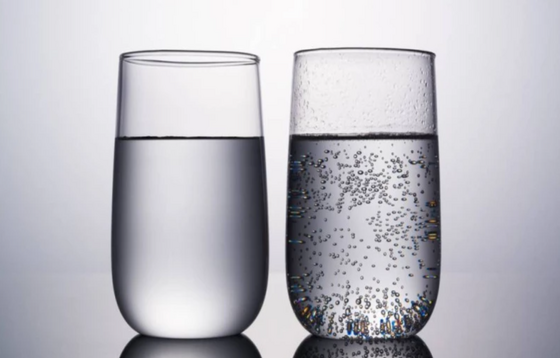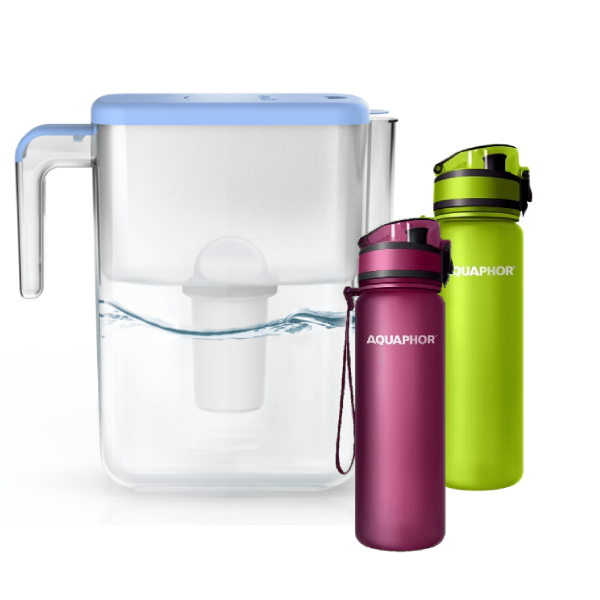


Although nowdays science is highly developed and has achieved considerable success in the treatment of many diseases, there are still supporters of many different theories who question the current achievements in science and medicine. Today we are going to talk about the myths in society regarding the drinking water.
1.Chlorine in the water is dangerous
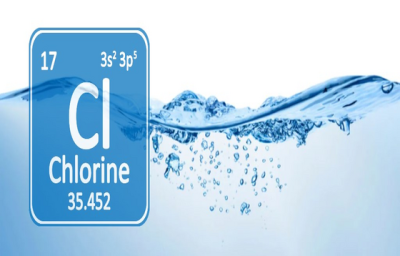
Chlorination of the water for mankind is as big discovery as the invention of antibiotics. It has greatly reduced the incidence of intestinal infections and saved many lives. Why chlorine and not ozone, ultraviolet radiation or silver? Chlorine has a very wide spectrum of activity, it is easy to store it, transport it and its long-term effect allows to prevent repeated contamination of the water in water supply systems.
Water chlorination is carried out in two stages:
- “pre-chlorination”, when the water is received from surface reservoirs for treatment;
- “post-chlorination”, when excess chlorine compounds are dosed into the purified water to protect the water from contamination while it travels through the pipelines.
The main benefit/harm of the chlorination is in the post-chlorination process. Although the water enters your home tap without dangerous microorganisms, it also contains substances that interact with chlorine (i.e. chlorine derivatives). They are toxic and carcinogenic. The active chlorine in the water itself is not dangerous for humans, it evaporates during the boiling process. The best way to get rid of chlorine and organochlorine substances in the water is to filter it through activated carbon.
2.Scale deposits in the kettle = poor water quality
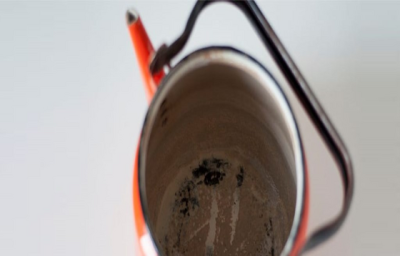
The formation of calcareous plaque during the boiling is caused by the presence of hardness salts in the water. They are mainly calcium and magnesium carbonates which are important trace elements for the body. The maximum permissible water hardness is 1.5 – 7 mmol/dm³, scale formation, depending on the composition of the water, can occur already at hardness of 3-4 mmol/dm³. However, such water is not harmful and does not indicate a poor water quality. The same applies to the total salinity of the water where the recommended limit value is 200 – 500 mg/l. This mineral composition can be created by absolutely safe and useful ions such as calcium, magnesium, sodium, potassium, chlorides, sulfates, etc.
It is common that customers ask questions about the performance of the filter when the salt content shown by the household tester is practically the same before and after the filtration. The reason for this is not a bad filter performance but the fact that the salt ions are not simply removed. They are exchanged for an equivalent amount of the sodium ions in the ion exchange process which does not form lime deposits.
3. Boiled water = dead water
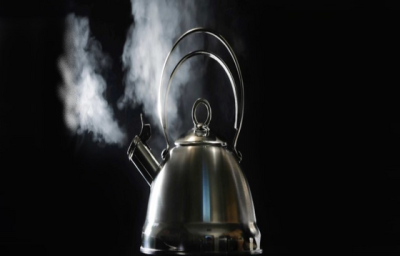
There is a belief that boiled water is dead water and repeated boiling makes the water hard. Neither the first nor the second assumption has been scientifically confirmed.
Boiling the water can release dissolved oxygen and active chlorine. Some hardness salts may be deposited in the form of scale, as a result the taste of the water may slightly change. But such water is not harmful. Regarding repeated boiling of the water it is a fact that hard water has a higher boiling point (the temperature at which a certain liquid boils when the pressure is constant). However, it should be taken into account that the solid water content is 0.033% and to reach at least 0.15% with the usual cooking method it is necessary to consume a mass of water that greatly exceeds the weight of the Earth.
4. Raw water can be consumed
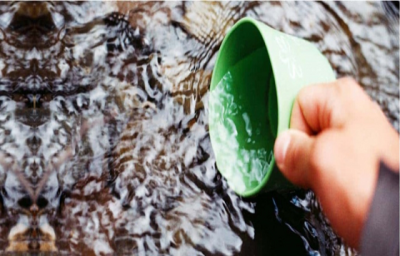
Drinking the raw water is a lottery. If the water sources in the area of population centers sometimes are subject to sanitary quality control, then unknown sources can be very dangerous in terms of both bacteriological and chemical indicators. The same applies to the well water which almost always has a high nitrate level in samples and is often microbially contaminated. The rainwater also contains the entire set of atmospheric pollutants.
In order to at least avoid intestinal infectious diseases, the water from the mentioned sources must be boiled before the consumption.
5. Is alkaline water useful?
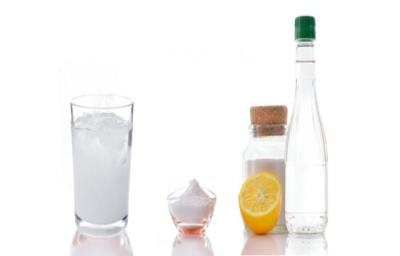
Several publications in scientific sources discuss the beneficial effects of alkaline water on the course of cancer, bone health and blood sugar levels, however, there are no significant benefits for its long-term consumption.
Alkaline water affects heartburn. It neutralizes the acid that has entered the esophagus from the stomach. This method is well known to our grandmothers who dissolved a little soda in the water and drank it to avoid unpleasant burning in the sternum.
6. Is shungite and silica water useful?
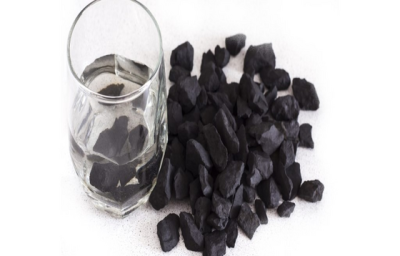
Silicon and shungite are minerals that are insoluble in the water. Shungite is a natural mineral used in construction and metallurgy. It is rarely used in the water purification because the sorption and ion exchange properties of shungite are insufficient for the complete water purification. Activated charcoal tablets have a greater effect. On the other hand, obtaining silicic water at home is related to the settling of the water using stones which are monolithic minerals. Similar effect can be obtained using ordinary sand. When using both mentioned methods it should be taken into account that the water stays in containers for a long time. Therefore there are viable pathogenic microorganisms on the surfaces of the containers or on the minerals themselves which can cause intestinal infectious diseases.
7.Is the extra oxygen and hydrogen in the water useful?
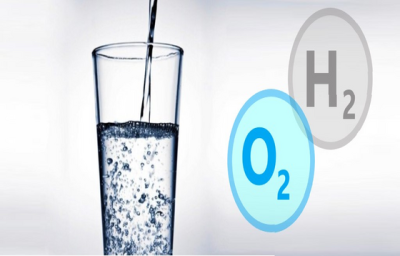
A water molecule consists of hydrogen and oxygen ions. Nowdays, the method of dissolving additional gases such as oxygen and hydrogen in the water has gained great popularity, i.e. to carbonize the water with them by analogy with carbon dioxide.
Research shows that adding oxygen to the water is not useful because the stomach absorbs it much worse than the lungs. On the other hand, the hydrogen water have a positive effect on diabetics and the treatment of related diseases. The hydrogen molecule is very small, it is able to penetrate the tissues and, thanks to its antioxidant properties, shows positive results in the treatment of several diseases.
8. Holy water does not spoil
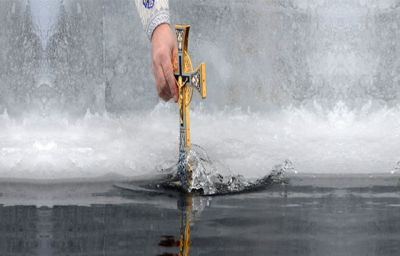
According to church beliefs consecrated water does not spoil and it has miraculous properties. Many studies have been done to support the fact that holy water spoils quickly. As a result of standing the environment is ideal for pathogenic microorganisms. Therefore, holy water stored for a long time is not recommended for consumption.
9. Silver as a water disinfectant
Silver water has a long history. Water was stored in silver vessels already in ancient Rome.
The method of the water disinfection with metal ions is called oligodynamic and it really works. However, this method is not widely used in the water treatment technologies because effective disinfection requires the introduction of high concentrations of metals into the water which are dangerous for humans. In addition, the water disinfection time is relatively long – from 2 to 4 hours.
10.Lemon water healing properties
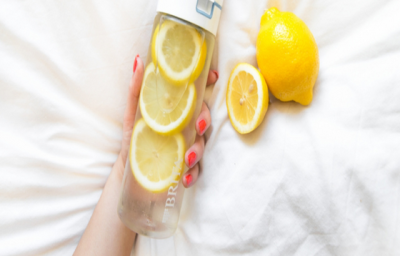
Water with lemon has gained big popularity in recent years and its benefits are listed in many sources. However, scientists, looking for the benefits of lemon juice in the water, have done a lot of research and have come to the conclusion that the lemon water has no special healing properties. If you do not have disorders of the stomach and urinary system, it is safe for consumption.
Read also: “Live” and “dead” water.